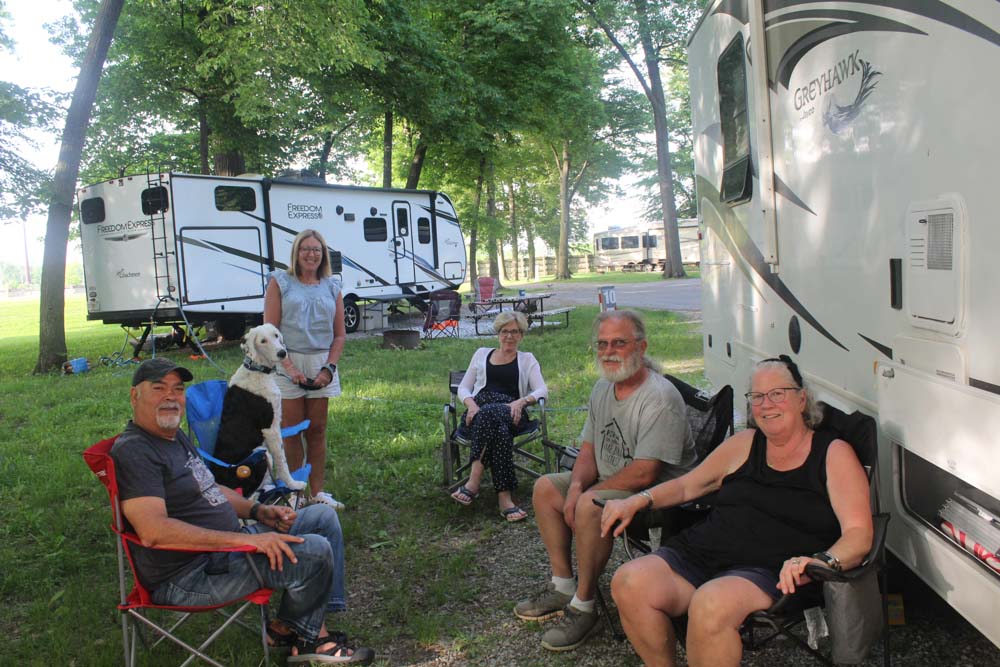
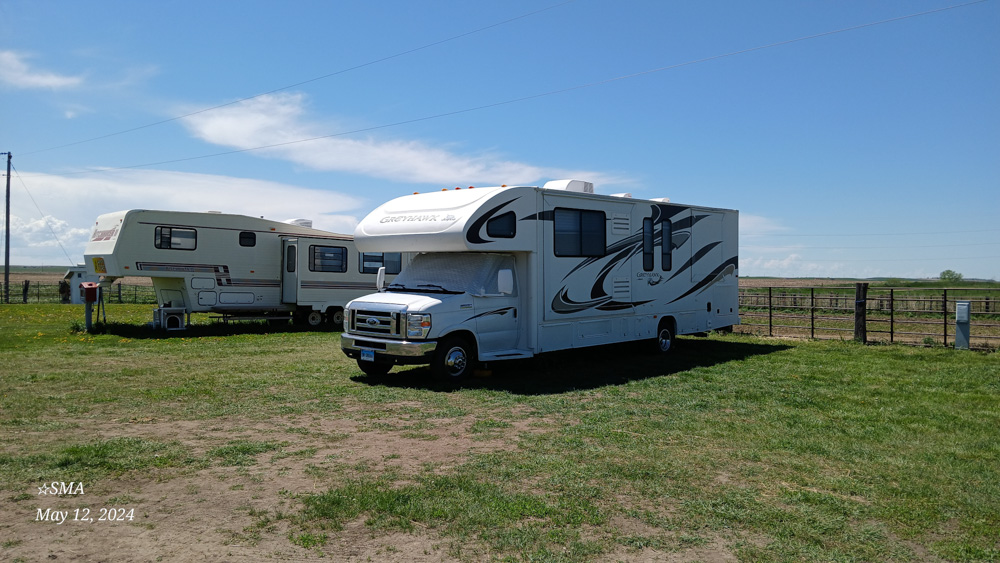
We started our adventure at the beginning of May 2024 with the goal of reaching Devil’s Tower in Wyoming and returning home to Connecticut. Planning for this trip began in December 2023 which included a few rip-up and retry during the process. Eventually we came up with an itinerary where we primarily stayed at Boondockers Welcome or Harvest Hosts locations. The planning had us staying two to three nights at such locations followed by one night at a Campground or State Park with full facilities (power, water, sewer). The planning process had us contact each location, make reservations and then map out the route with Garmin Base Camp and Hammer (both applications are great tools for RV travelers). We stored each leg (day) of the trip on our Garmin 760LMT GPS unit and we mapped out rest areas (to take the dogs out for walks), getting fuel, dump locations and rejuvenation time. The planning took over three months to complete but by early March 2024 all reservation confirmations were in and we were about ready to hit the road for ‘fun’ with our three cats, two dogs and us.

Reflecting on the planning and actual travel, we found that we over planned. We anticipated tight quarters for getting fuel with the coach and so we planned each fuel stop but there were plenty of fuel stops along our route. Flying J / Pilot was our primary stop for getting fuel for the coach, but BP, Sunoco, Shell and several other truck stops along the way were easily found. Flying J / Pilot earned us 10 cents off per gallon of fuel, and filling up with 25+ gallons of fuel each day ended up being a nice savings. Couple that with our Credit Card 5% cash back for the time period on all fuel charges actually saved us a lot of money. Typically we added fuel once per day which cost between $60 to $105 determined by the miles driven and fuel prices (Illinois was the most expensive and South Dakota and Ohio were the least expensive per gallon of fuel). In hind sight there was no need to plan on where to fuel up.
We did plan the right amount of daily windshield time which we planned on about 250 miles. Driving a coach this size for 5+ hours is taxing, and even 4 hours on the road requires a good amount of rest to recover. We would plan differently on our next big trip with one day on the road, two days at a location to rest up. On this trip we did only one night stays except for May 10/11, and that two day rest really recuperated us.
Dump stations along the way? We were also very concerned about being able to find dump stations to empty our holding tanks. Nearly all Travel Centers of America, Pilot, Flying J truck stops have dump locations for a small fee, usually $10. We didn’t have to use any of these types of dump spots but we did find some states have dump spots at rest areas. We took advantage at one location and while there was no clean-up water available (shut off since the season was not open yet), being able to dump for free was nice.
Water use and planning was another over planning / over thought out process. During our first ever two day trip with the coach back in April 2024 we had under estimated our water use and we ran out of water on day two. So for our three weeks on the road I carried 5 gallons of extra water in containers ‘just in case’. What we found was we use about 7 gallons of water per day and the coach specs state the fresh water holding tank is 32 gallons but I’ve only been able to fill 27 gallons before it begins to overflow. With a full fresh water tank plus 6 gallons in the water heater we can get by 3+ days dry camping. That aside, early in the trip while at Rock Cut State Park in Illinois I opted to country fill our fresh water tank from our campsite just to be safe. We never ran out of water during our three week journey.
Mechanical issues were always on our minds during the trip. We had quite a bit of preparation for this trip which included new brakes, new transmission seal and filter, inspection of coolant hoses, oil change, house battery replacement, new rear camera, tire pressure monitor system, and many other small fixes before we hit the road. Our first mishap was on Day-4 at Rock Cut State Park, where one of the leveling jacks would not retract. We tend not to use the jacks because they have been problematic for us, so we try to park as level as possible and don’t extend the slide outs. At RCSP the sites were not level so the jacks had to be used. Good Sam came to the rescue for us and they dispatched a tech to our location and “Nick” fixed the issue in less than 5 minutes and instructed me how to address the issue in the future. We can’t say enough good things about Good Sam and the tech, they really pulled us out of a jam. The knowledge gained from Nick was used two other times on our trip when the jacks alarmed out while traveling on the highway (the all up light went out, a scary thing at 60 MPH).
The next mechanical issue was noticed when we had about 6 days left on our trip. We noticed the water heater shroud on the outside of the coach had a gap between it and the coach wall. This gap seemed to keep getting bigger. We caulked up the gap to prevent water damage and decided to wait until we got home to address the cause. When we got home, I inspected the water heater mounting and found the water heater shelf in the coach had collapsed. The coach original equipment was a tankless water heater which probably didn’t weigh much. In 2015 a previous owner had a Suburban 6-gallon water heater installed by a local Connecticut RV place (Crowley in Bristol Connecticut). We aren’t sure if Crowley installed the shelf or if it was the shelf Jayco installed, but in any case the shelf was made from 3/8 inch plywood and held onto the coach wall by two #10 wood screws. Having 60 pounds of weight bouncing on these two wood screws eventually broke free from the wall of the coach causing the outside portion of the water heater to drop. We addressed the issue by replacing the mount with steel and aluminum and now is securely braced and held in place and will easily hold 100+ pounds of weight. The work done in 2015 I can’t attest to but I have contacted the previous owner and they did say Crowley did not do very good work, they installed a water heater bypass valve incorrectly. I had the bypass valve corrected by Hemlock Hill RV this past March which did a fine job installing the valves correctly (and they don’t leak!). A dig on Hemlock Hill RV was they never mentioned the water heater mount was probably unsafe. I had noticed the mount tipping when we purchased the coach but not knowing what I know now I didn’t think much of that issue.
Why did we pack so much stuff? We over packed our food, while none of it will spoil we did not need to bring so much food. Snacking stuff we had just enough but meals we would cook was over stocked. We brought clothes that we didn’t wear. We packed lots of warm clothes but generally every place we stopped the temperatures were above 80, so the jackets, sweatshirts, and sweatpants could have stayed behind. We packed too many cameras, most photos we captured with our cell phones. Having a 200 Watt portable solar panel is nice thing to have, but during our three weeks on the road we used it only twice.
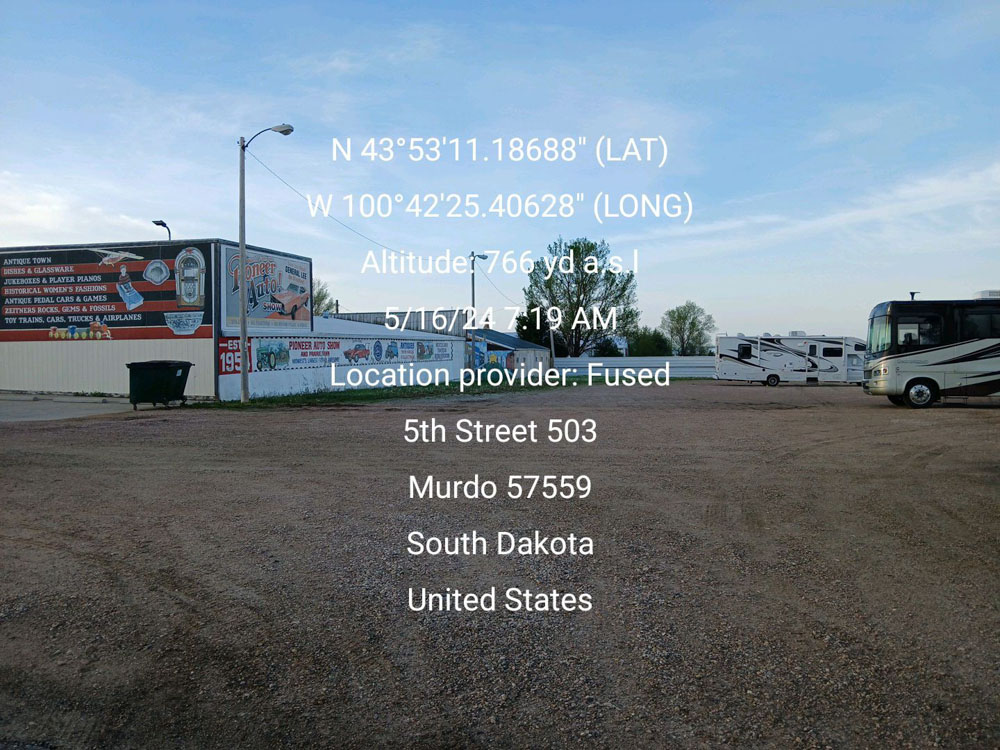
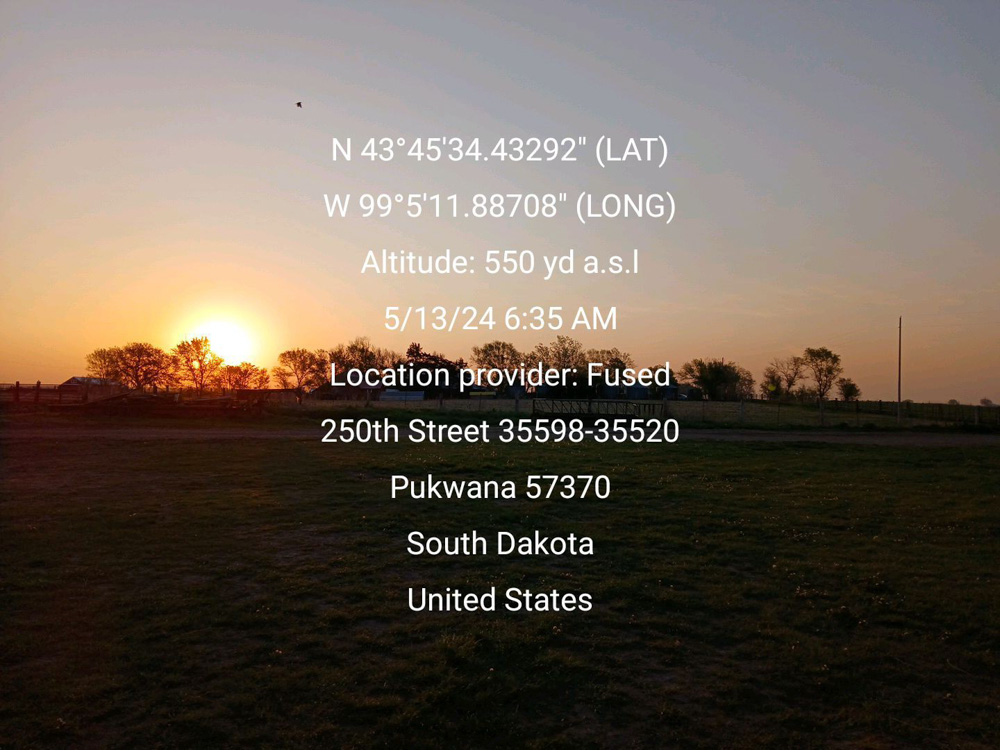
Cost of the trip and bumps on the road? Oddly it cost us less to live on the road than living at home for the three week journey. Our daily expenditures were under $175 per day including fuel and on some days we spent less than $100. We had planned on Boondocking in Wall South Dakota but the area had got a lot of rain and was raining the day we were going to rough-it. A very nice Harvest Host suggested we do not stay in Wall ’cause you are going to get stuck’. Boondockers Welcome / Harvest Host to the rescue and at 6 AM before we hit the road east from Wyoming I contacted a horse farm in South Dakota but that host said they were under water. So then I contacted the Pioneer Auto Museum and sure enough they got us a spot and we had company that night with another Harvest Host RV pulling in soon after us.
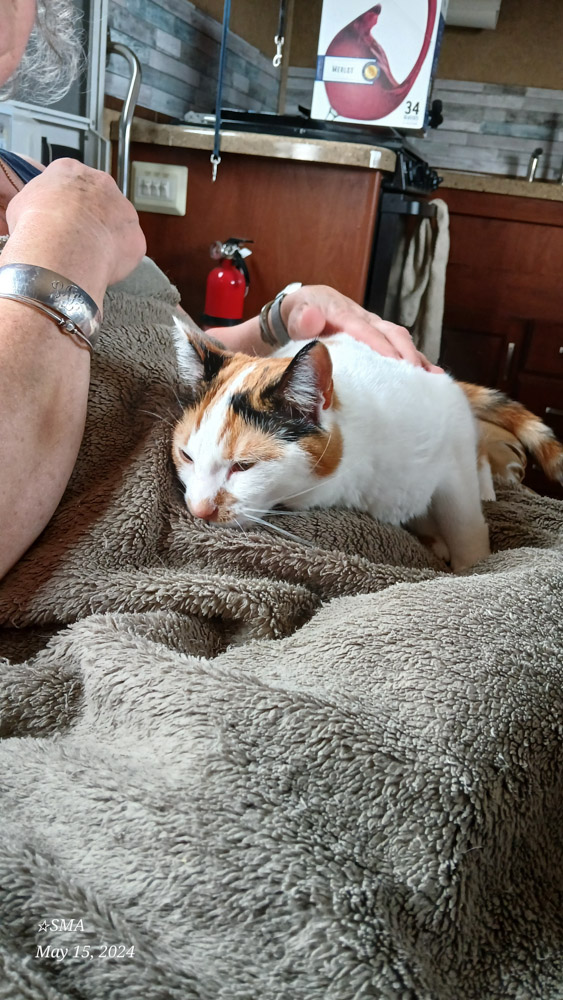
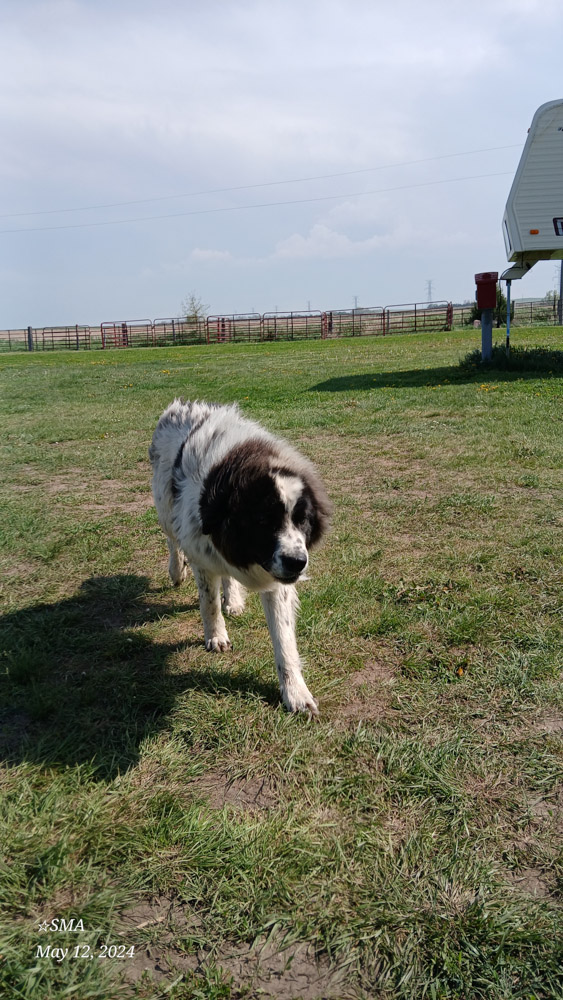
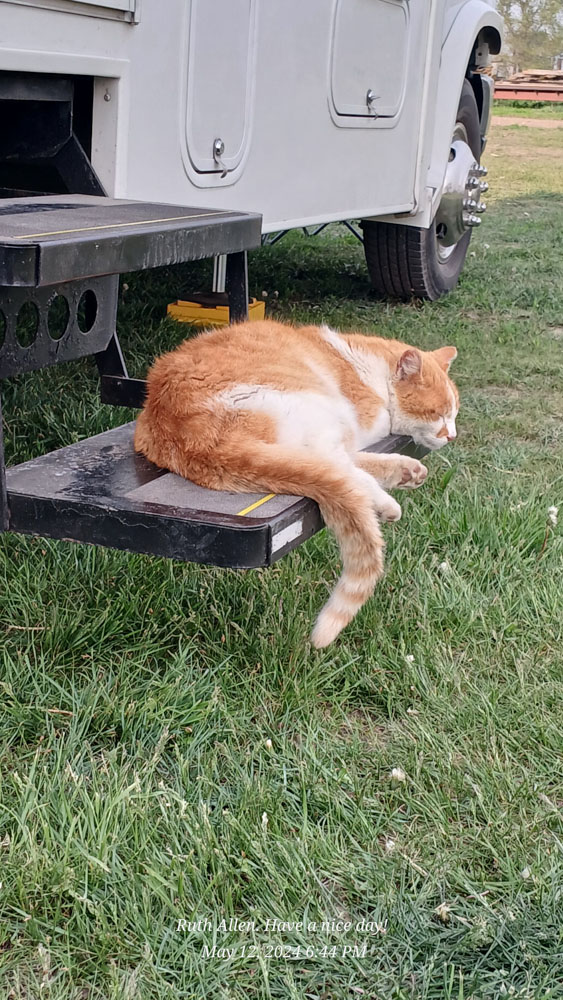
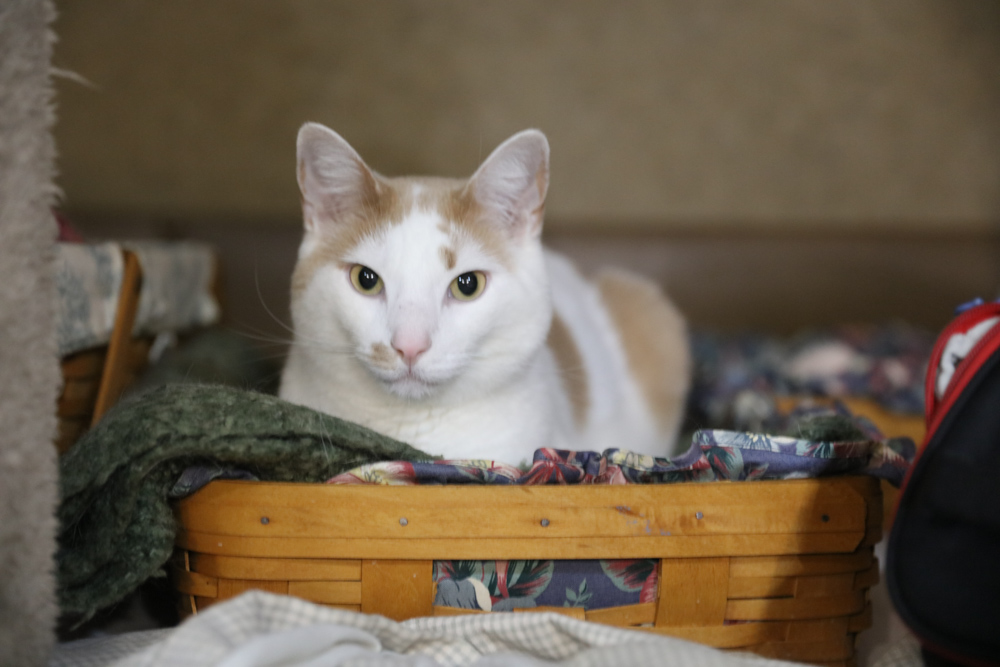
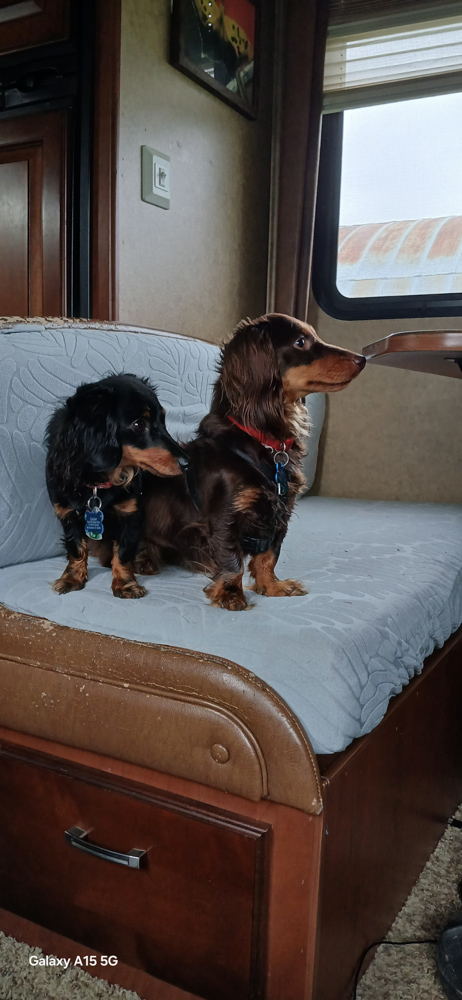
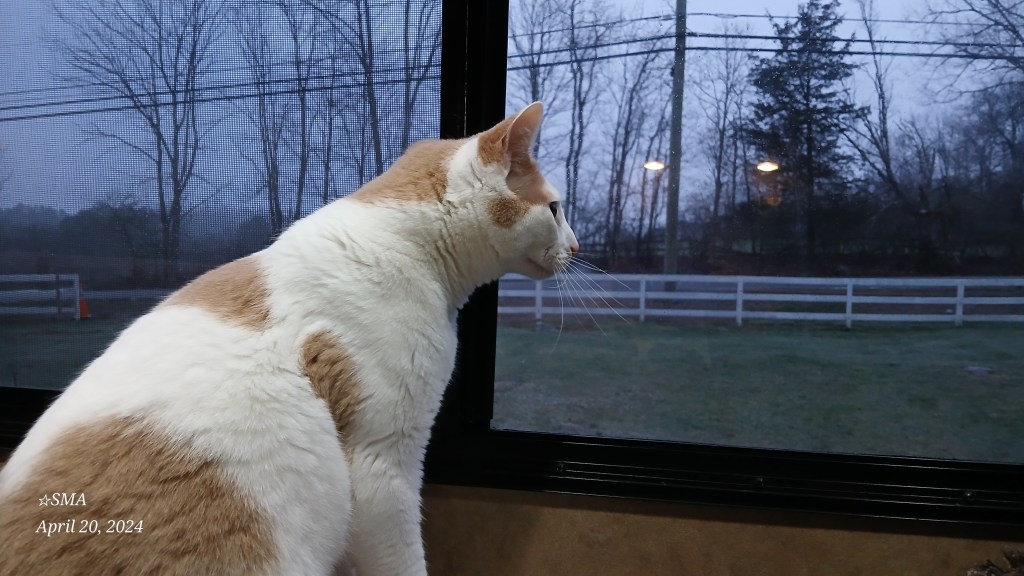
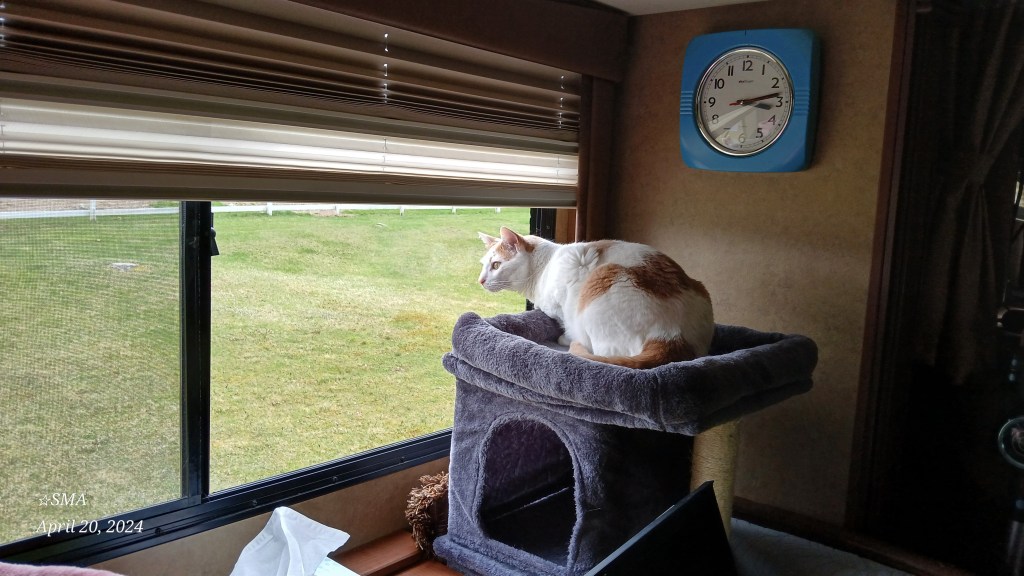
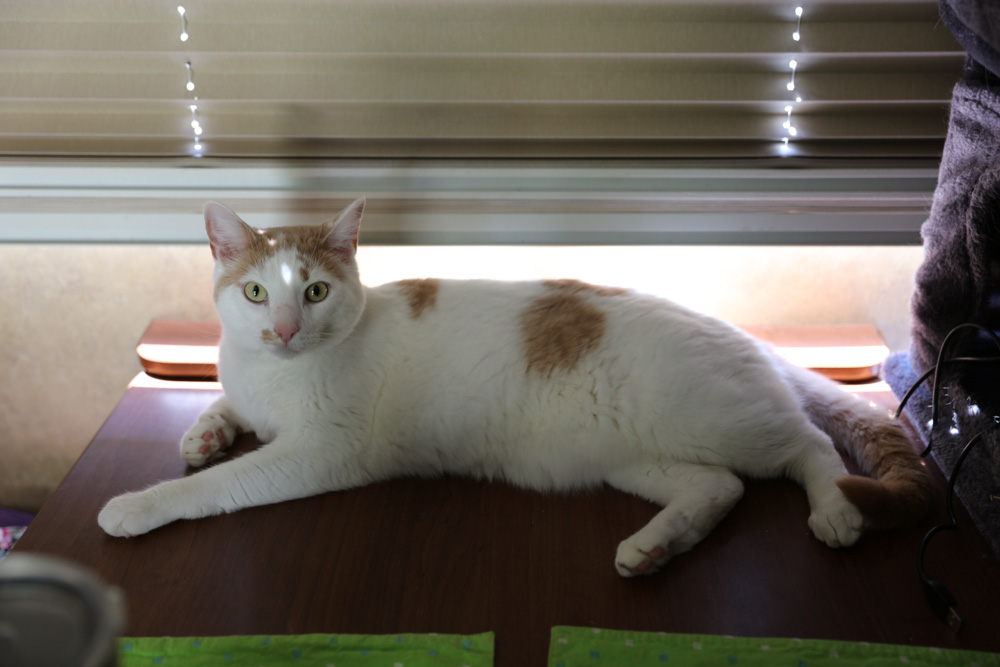
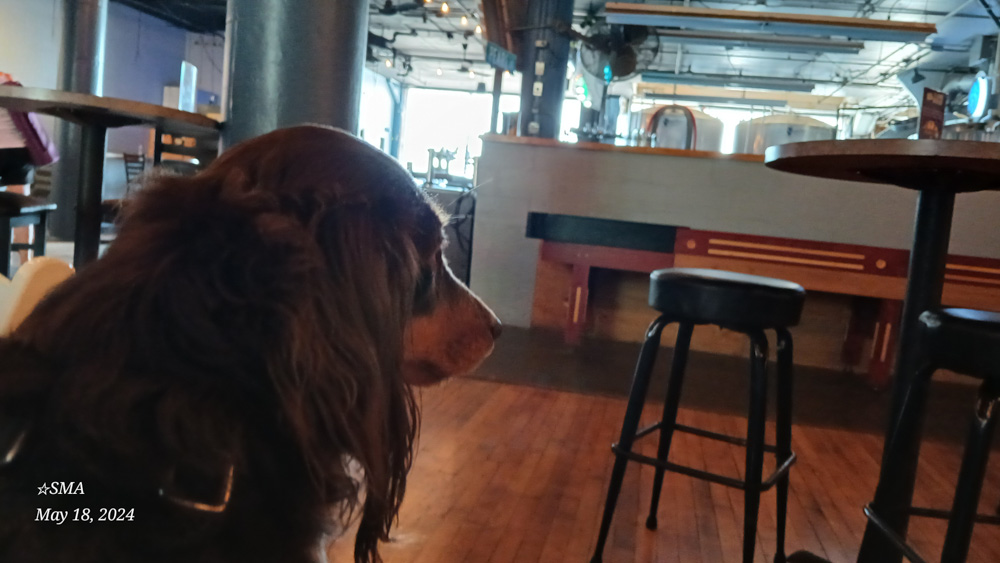
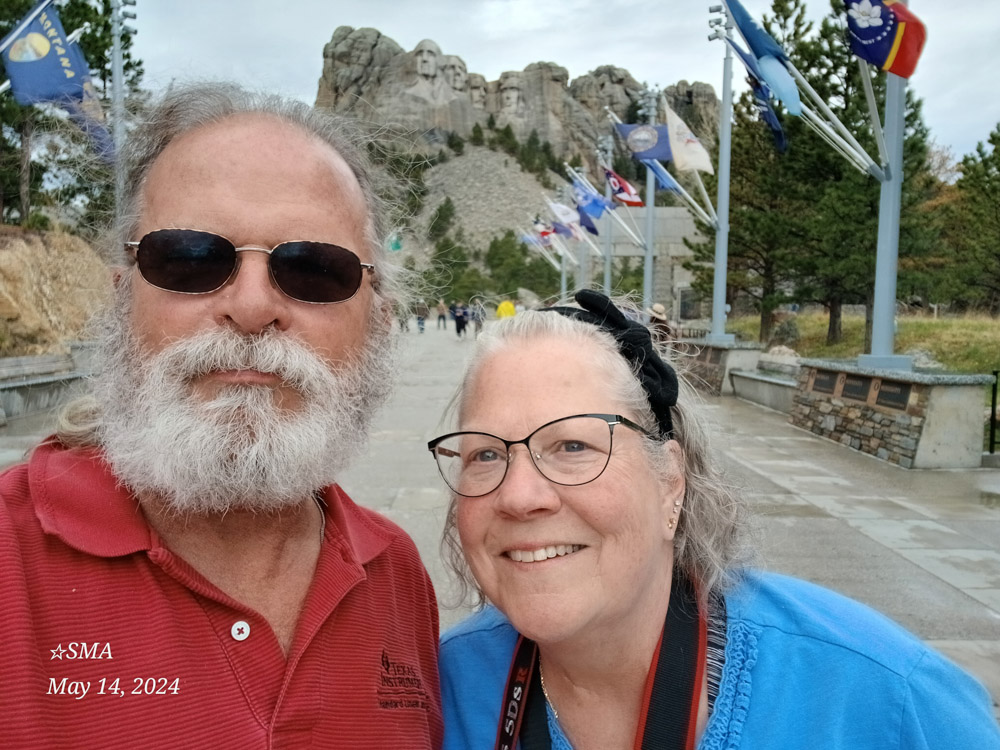
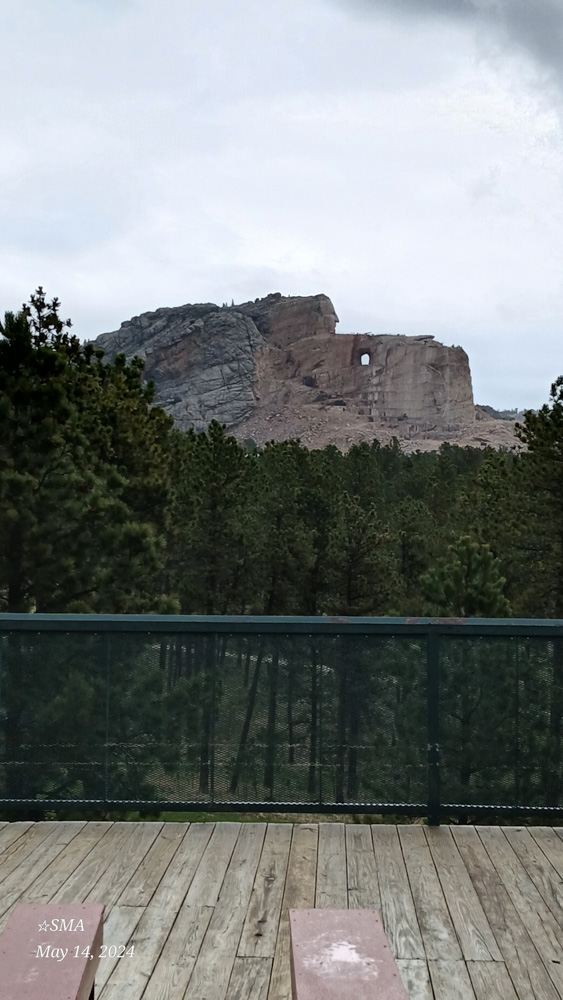
Overall, the journey was a very positive adventure. I give it a 9 out of 10 stars while my wife gives it an 8 out of 10 stars. The coach is very loud in inside with a lot of noises, rattles and loud crashes when you hit pot holes. Being used to driving in quiet cars, driving in a coach can put you on edge. We had some rain early on in the trip which was a bit of a downer and the tornado watch alarms going off in Indiana on Day-3 of the trip was nerving. Our cats eventually became acclimated to life on the road but the first three or four days was nerving for them. By the end of the trip the cats loved seeing new surroundings each day. The dogs loved being in the coach, they always have. The two sat in their crate which was placed between the two front seats and they generally slept while traveling (except when we stopped, then the barking started). Devil’s Tower was the highlight of the trip with the Bad Lands coming in a close second, while Rushmore and Crazy Horse was a nice sight to see, nothing captured our hearts like Devil’s Tower did. We met some very nice people along the way, some we have connected with socially.
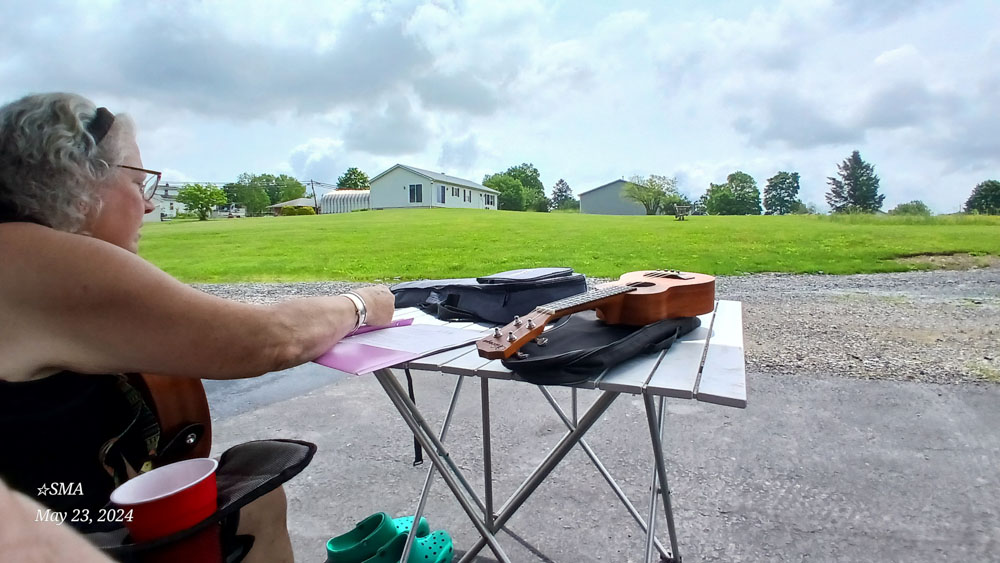
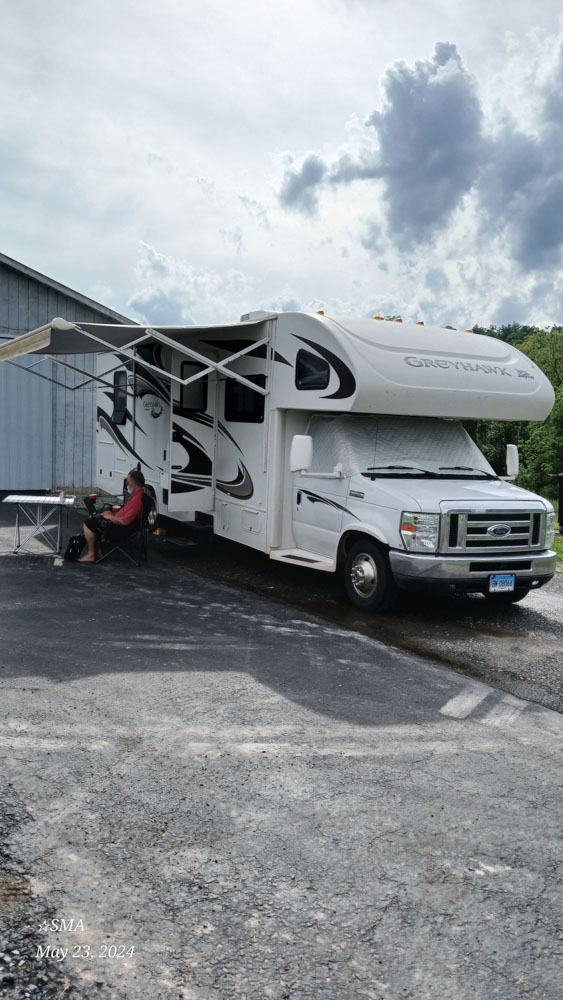
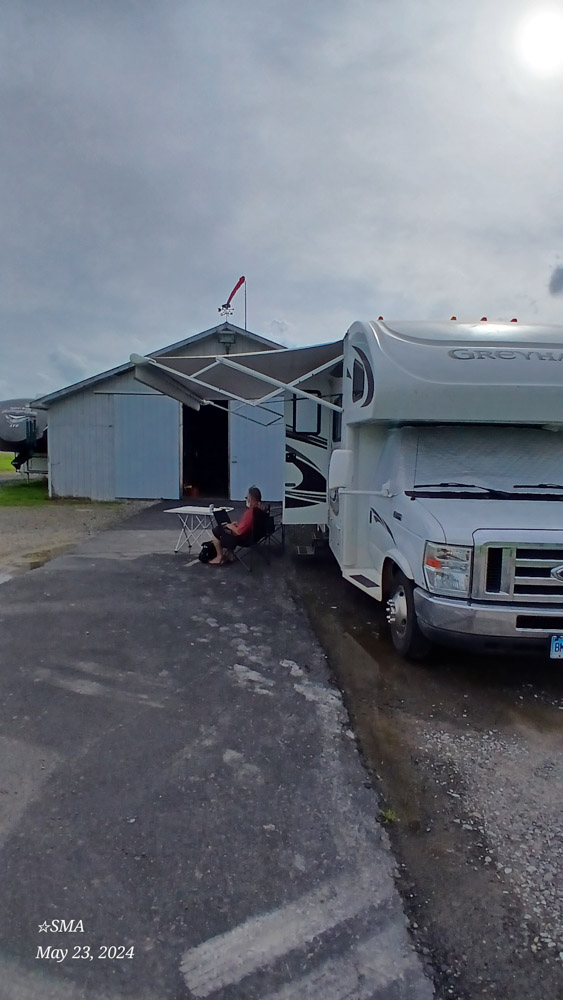
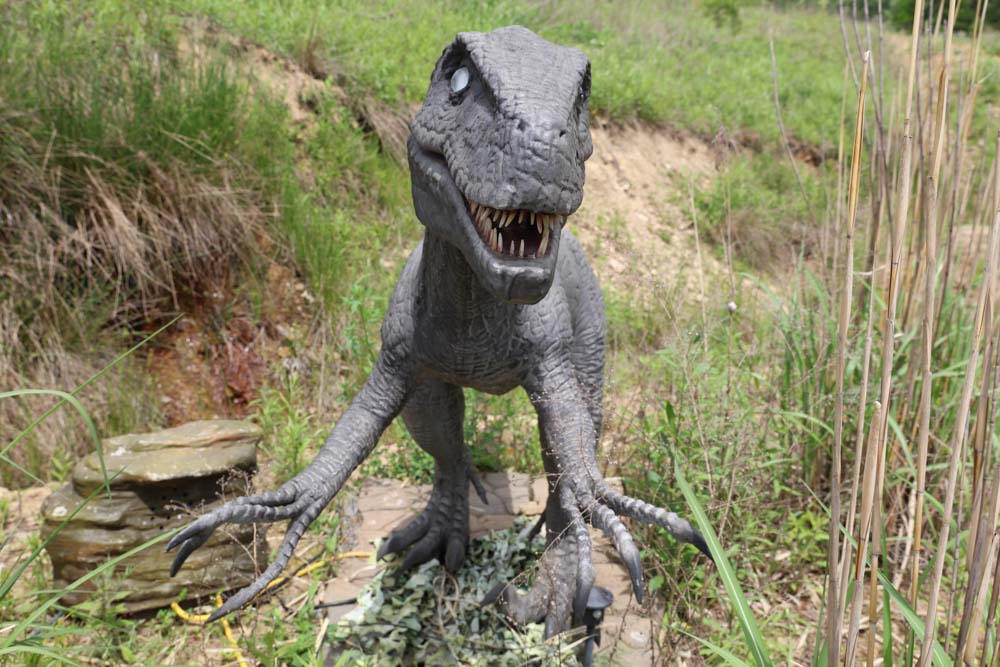
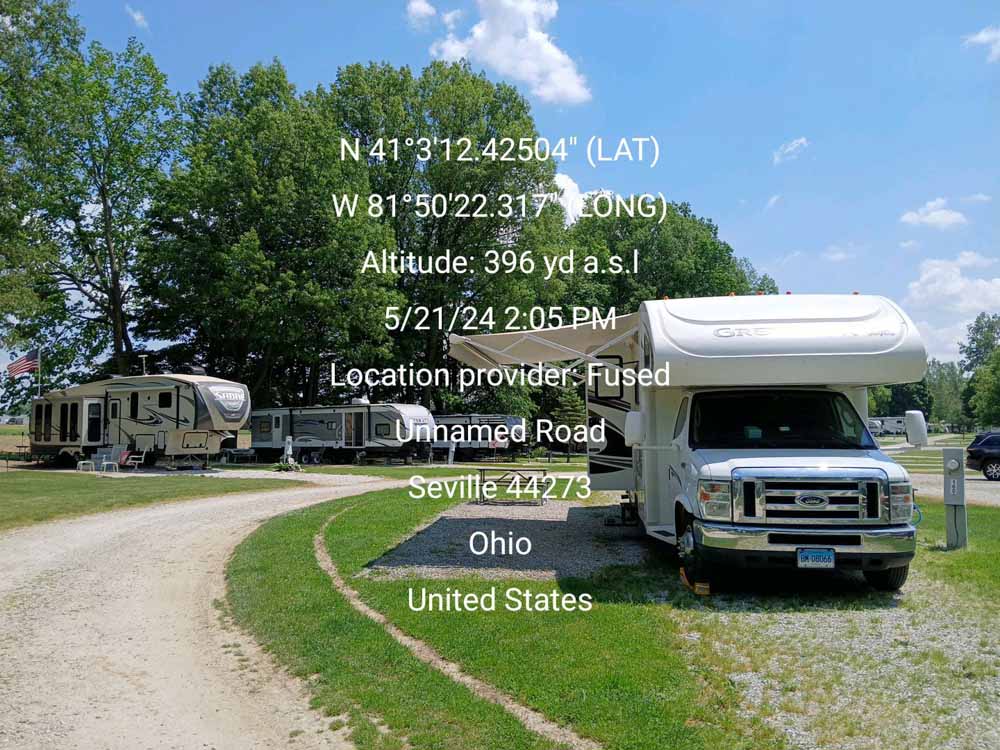
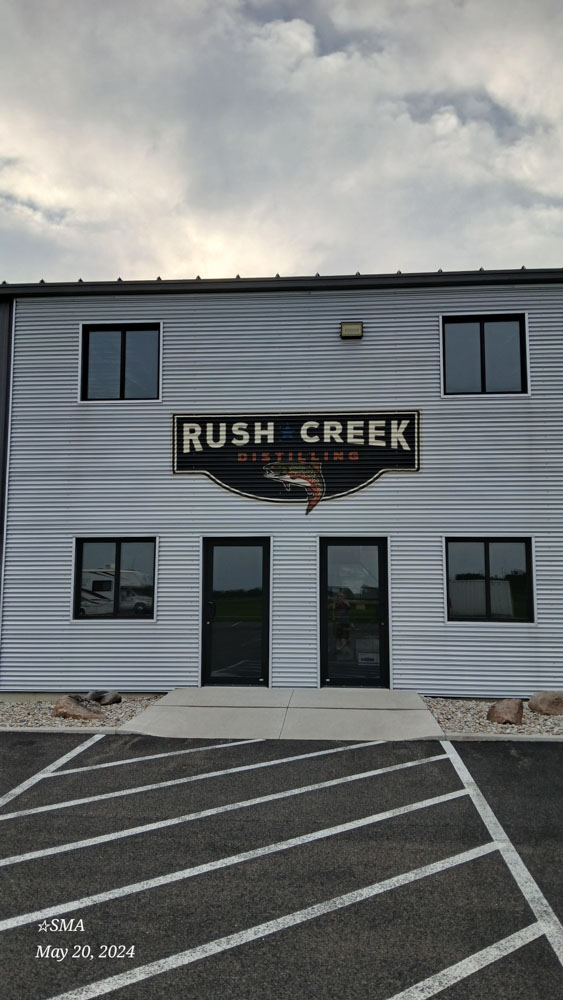
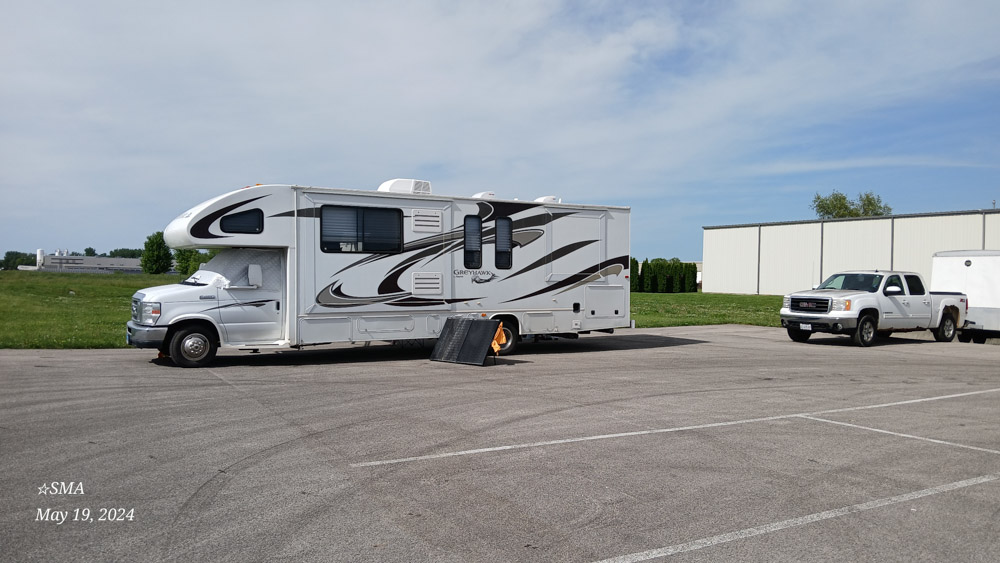
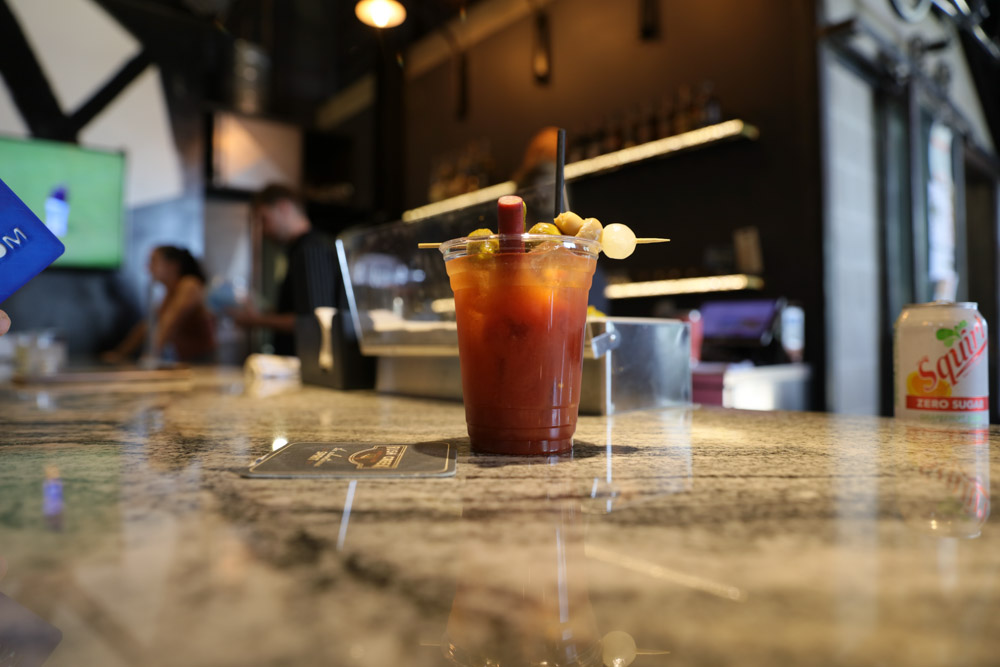



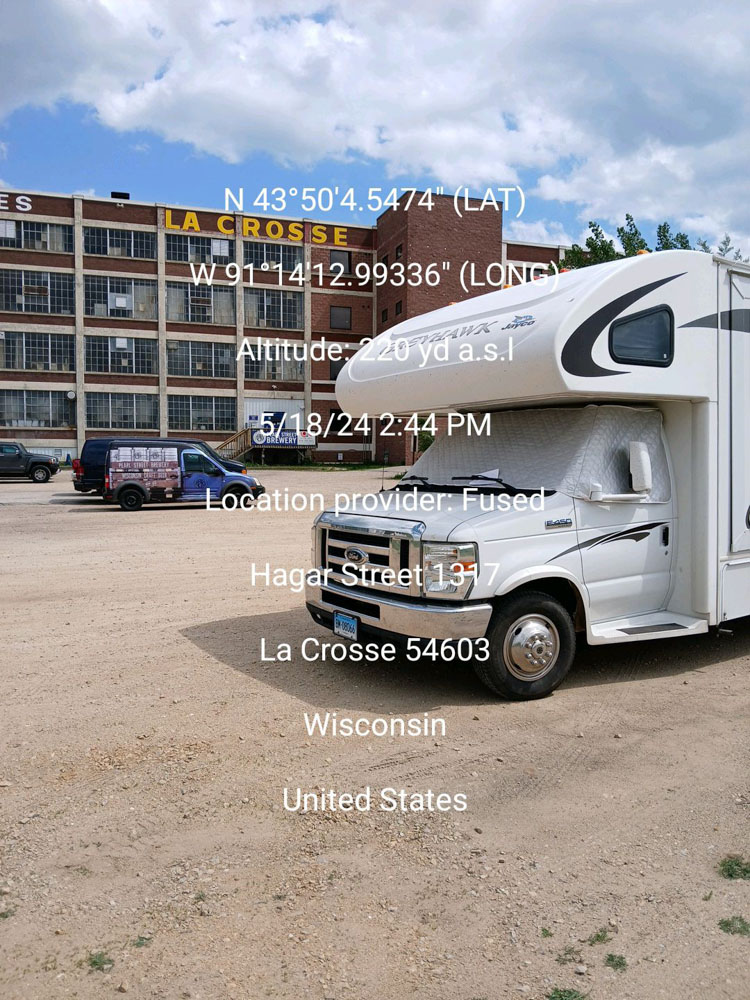
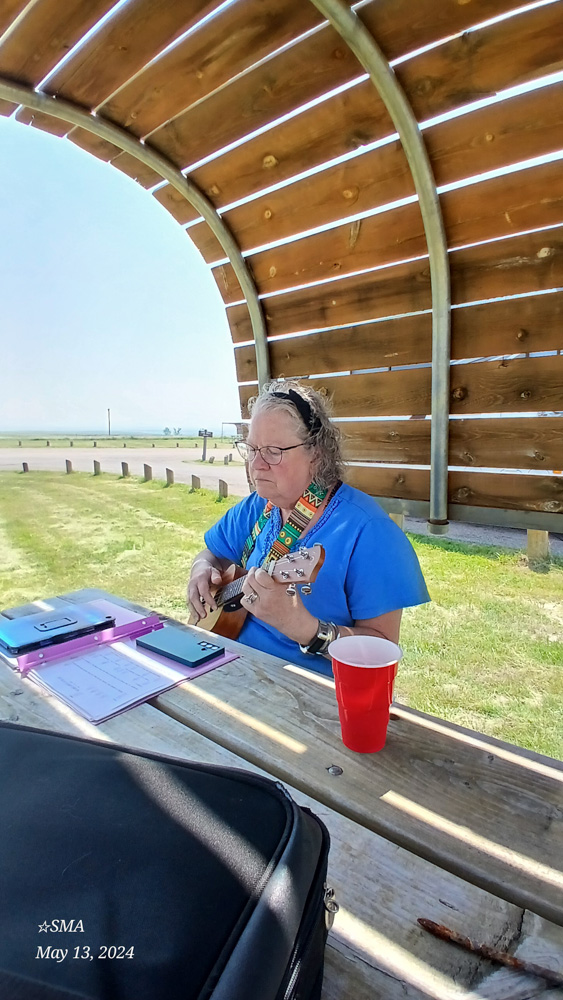
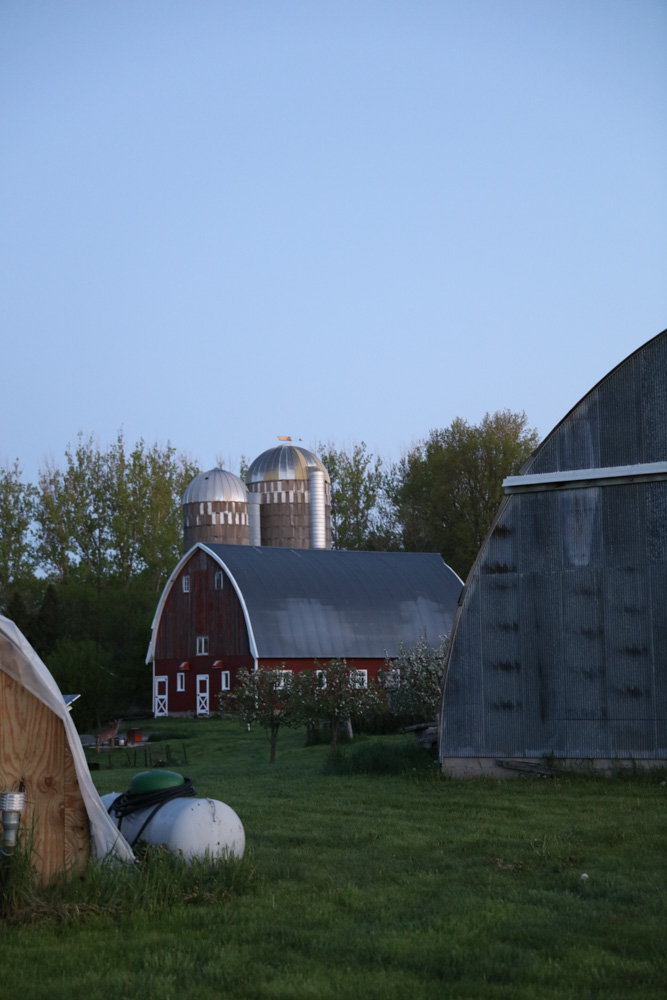
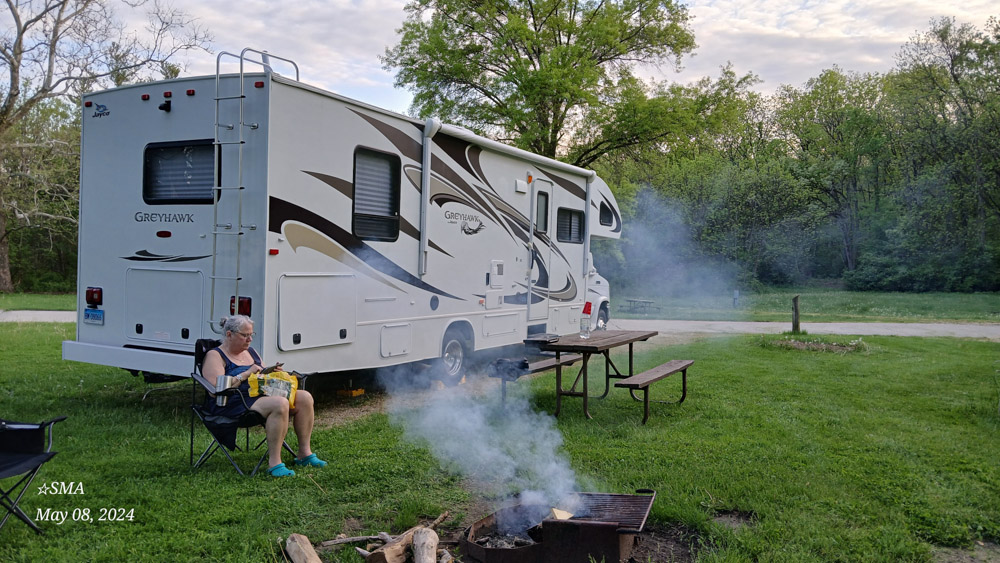
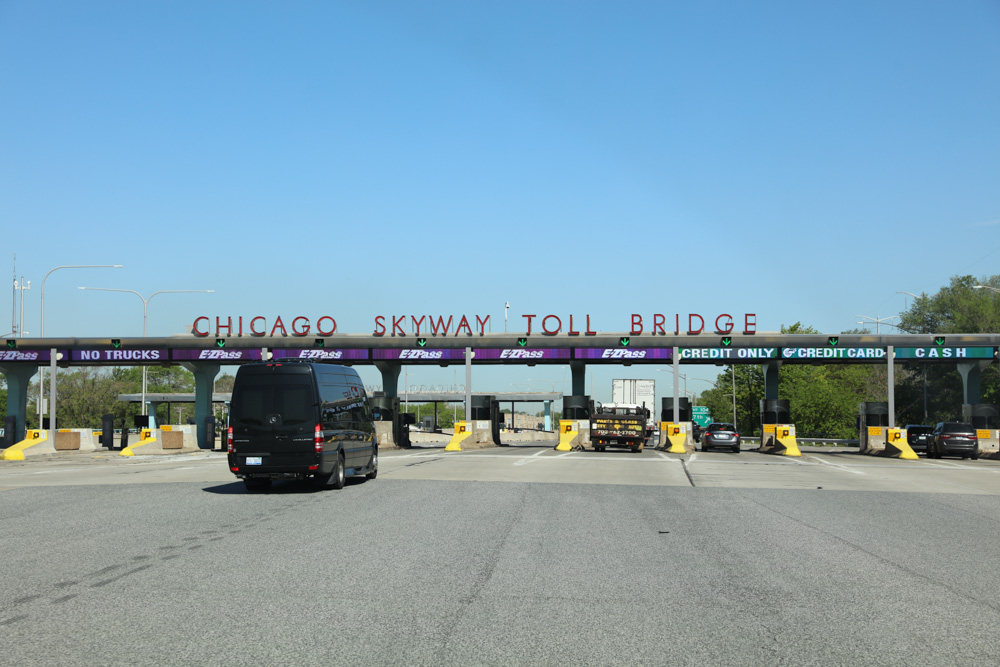
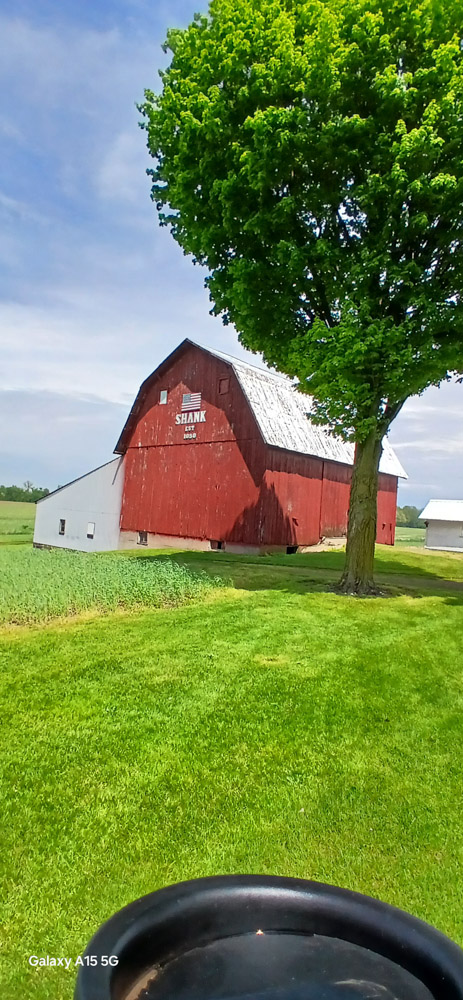
In conclusion, we can’t say enough good things about our journey. This type of journey is not for everyone, living in roughly 250 square feet for three weeks with 5 pets can be taxing. Traveling like this with your partner / spouse can be a deal breaker for some couples. For us, we loved it. In our relationship we do so many things together. We volunteer together at our local Senior Center. We play Djembes in groups and take lessons together. We shop together. We spend a lot of time together. One of our Hosts mentioned he and his former spouse tried an adventure like our and it ended up in divorce!! So it’s not for everyone.

 Coachella
Leave a comment